
Spring Garden Lessons for the Classroom
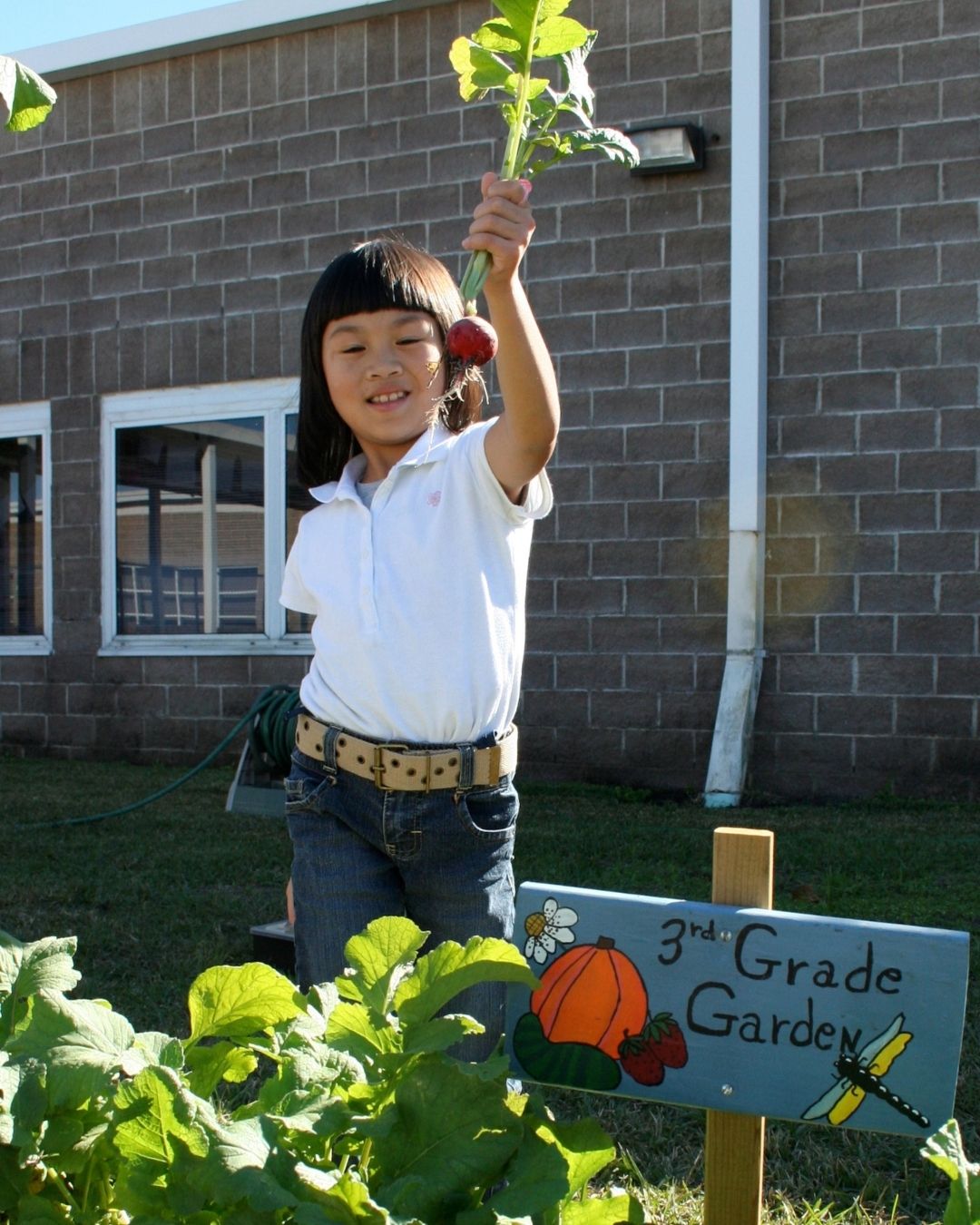
March is the perfect time to bring the garden into the classroom. With the arrival of the spring equinox and longer daylight hours, students can explore plant science concepts like plant life cycles, photosynthesis, and seasonal crop growth through hands-on activities.
Early spring vegetables such as radishes, lettuce, spinach, and Swiss chard grow quickly, making them ideal for classroom observation and school garden projects. These fast-growing crops allow students to witness the transformation from seed to sprout in just days, helping them better understand how plants grow.
Creative activities like chlorophyll leaf printing can turn plant science into interactive art. By using leaves to make prints, students can visualize how plants capture sunlight and produce the chlorophyll that fuels photosynthesis. This type of garden-based learning makes scientific concepts more memorable and engaging.
If your outdoor garden beds are not ready yet, starting seeds indoors is a simple and effective way to begin. Seed trays placed near classroom windows allow students to observe germination, track plant growth, and learn the responsibilities involved in caring for living plants.
Connecting Spring Holidays to Garden Learning
Seasonal and cultural celebrations can enrich garden-based education by connecting classroom lessons to traditions and events happening around students.
Spring holidays such as Pi Day, Ramadan, and St. Patrick’s Day provide creative opportunities to integrate math, science, culture, and nature into garden lessons.
For example:
-
Pi Day Garden Math: Students can measure garden beds, calculate planting spacing, or estimate the circumference of planting circles to apply math concepts in real-life garden planning.
-
St. Patrick’s Day Plant Study: Explore clover and other spring plants while discussing plant parts, plant identification, and life cycles.
-
Ramadan and Food Traditions: Discuss how gardens connect communities around the world through shared foods and agricultural traditions.
These interdisciplinary activities help students see how gardening connects science, culture, and everyday life.
Books That Bring the Garden to Life
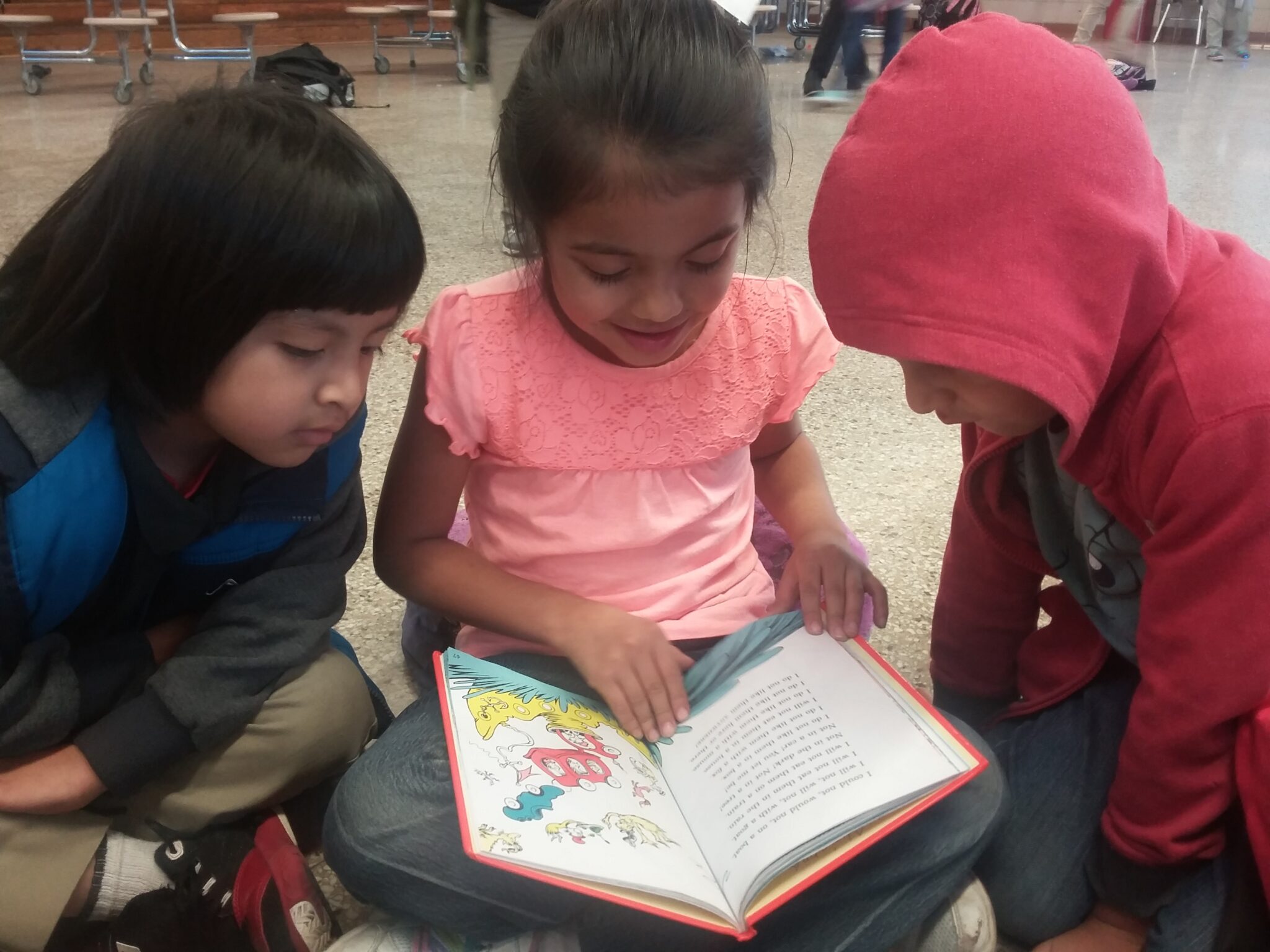
Pairing garden lessons with children’s literature helps students visualize plant growth and deepen their understanding of how food is grown.
Popular classroom favorites include:
-
The Tiny Seed by Eric Carle
-
From Seed to Plant by Gail Gibbons
These books introduce students to seed germination, plant development, and the journey from seed to harvest, reinforcing what they observe in the classroom garden.