From the Garden: September Tips for Your Marco Polo Garden
September is one of my favorite months in the garden classroom because so much of what students will experience later in the year starts now. These September school garden tips for educators will help you prepare your Marco Polo garden while turning planting, transplanting, and observation into meaningful learning opportunities for your students.
As we begin our Marco Polo Food Adventures journey through Seed-to-Plate Nutrition Education™, students are exploring foods, flavors, and growing traditions connected to the places along Marco Polo’s travels. In the garden, we get to bring that journey to life by growing some of the same ingredients students will encounter in their culinary lessons.
But there’s an important lesson hiding beneath the soil: the garden and the kitchen don’t always move at the same pace.
Transplanting vs. Direct Sowing: Why It Matters
September is a great time to introduce or reinforce the difference between transplanting and direct sowing because we’re doing both.
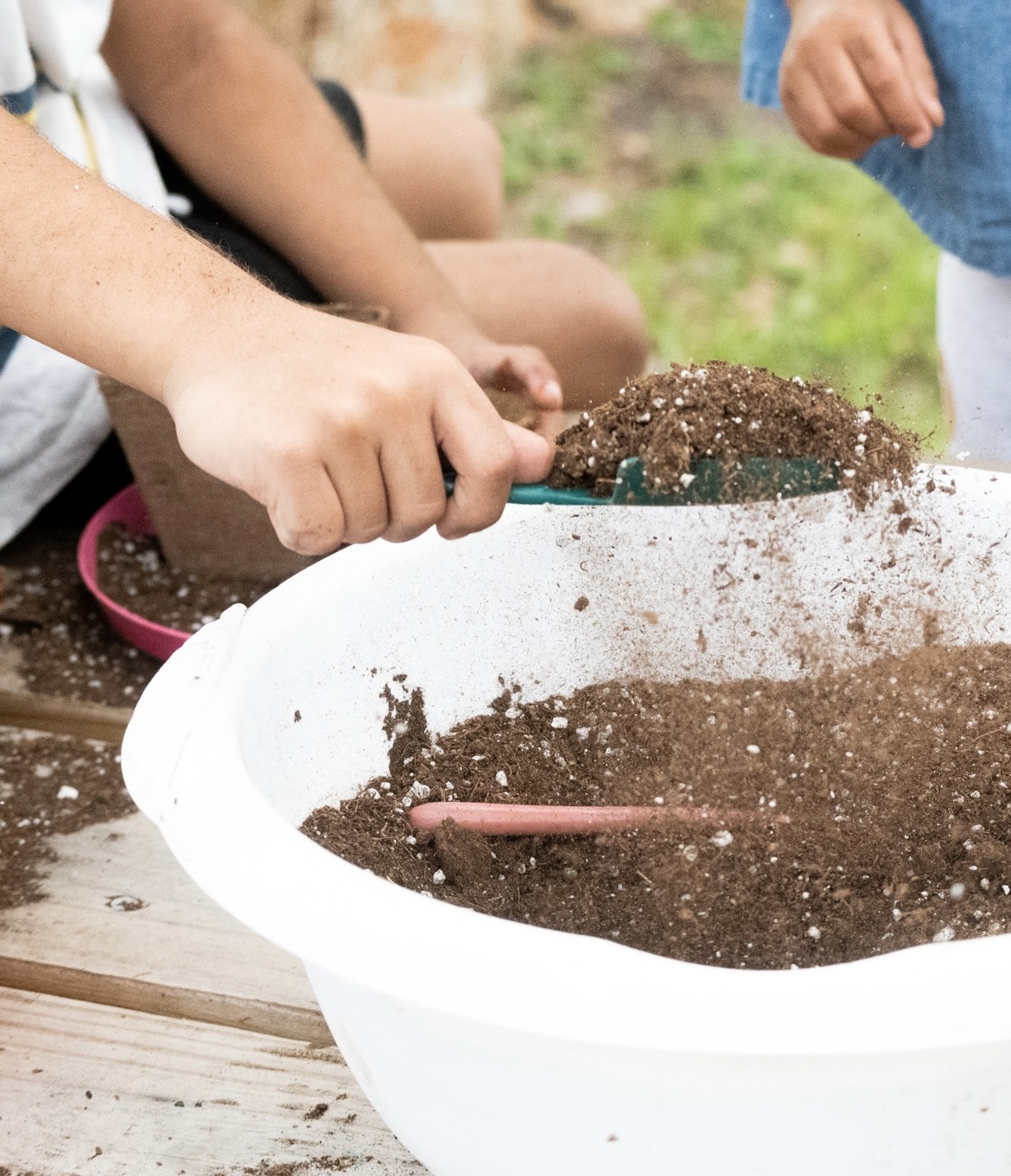
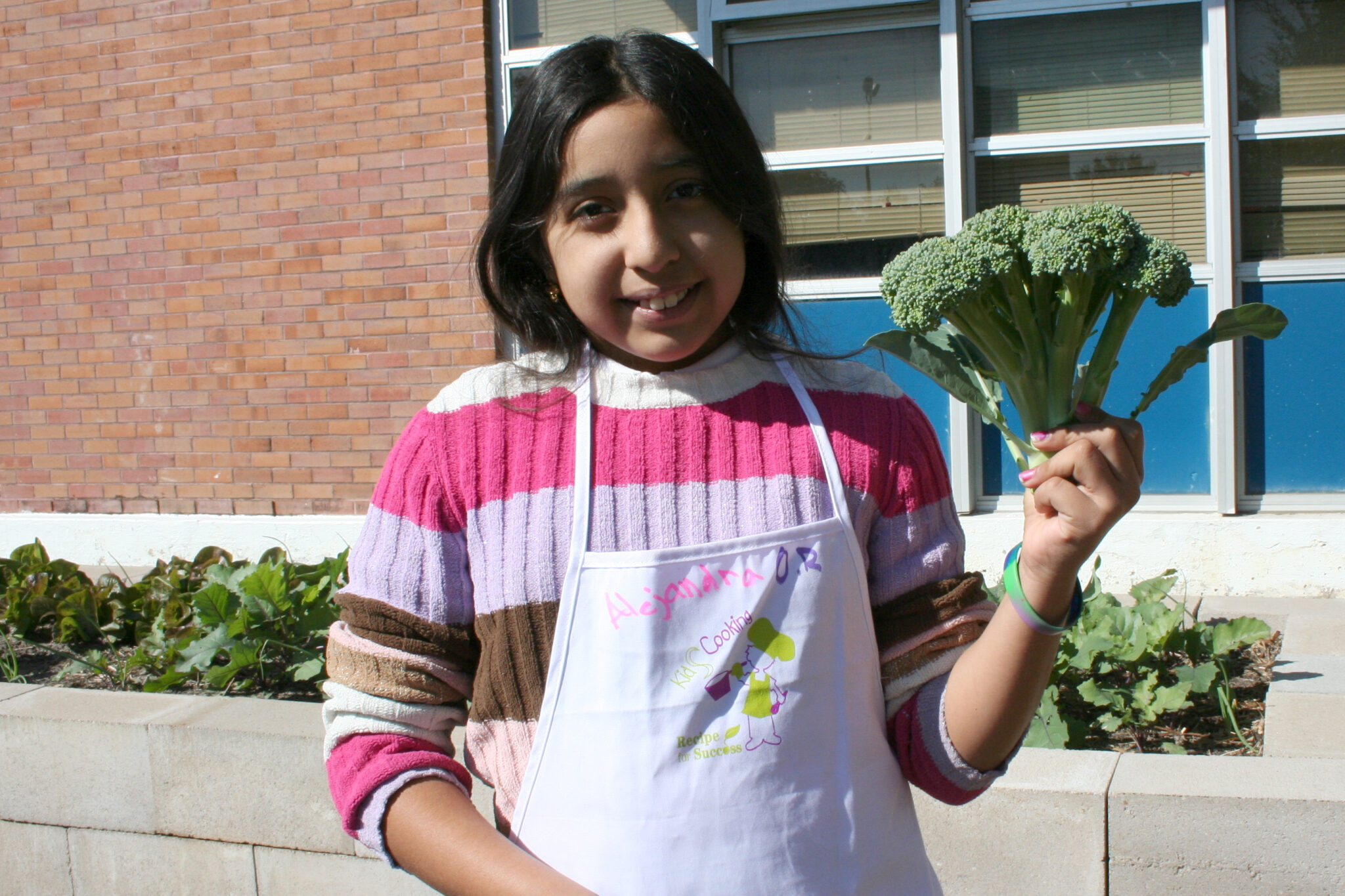
Transplanting means starting seeds in a protected environment and moving the young seedlings into the garden once they are established. This month, we’re transplanting broccoli, connected to our exploration of Italy, and Asian greens, connected to China.
These seedlings were started in August so they could develop before heading into the garden. We’re also starting another round of broccoli, Asian greens, and fennel seeds for later planting. Staggering plantings like this is called succession planting, and it helps extend the harvest rather than having everything ready at once.
Direct sowing means planting seeds exactly where they will grow until harvest. This month, students can help direct sow green onions, spinach, cilantro, parsley, dill, and mustard greens.
For students, I like to keep the distinction simple:
Transplants get a protected head start. Direct-sown seeds start their lives right where they’ll grow.
Try This With Students
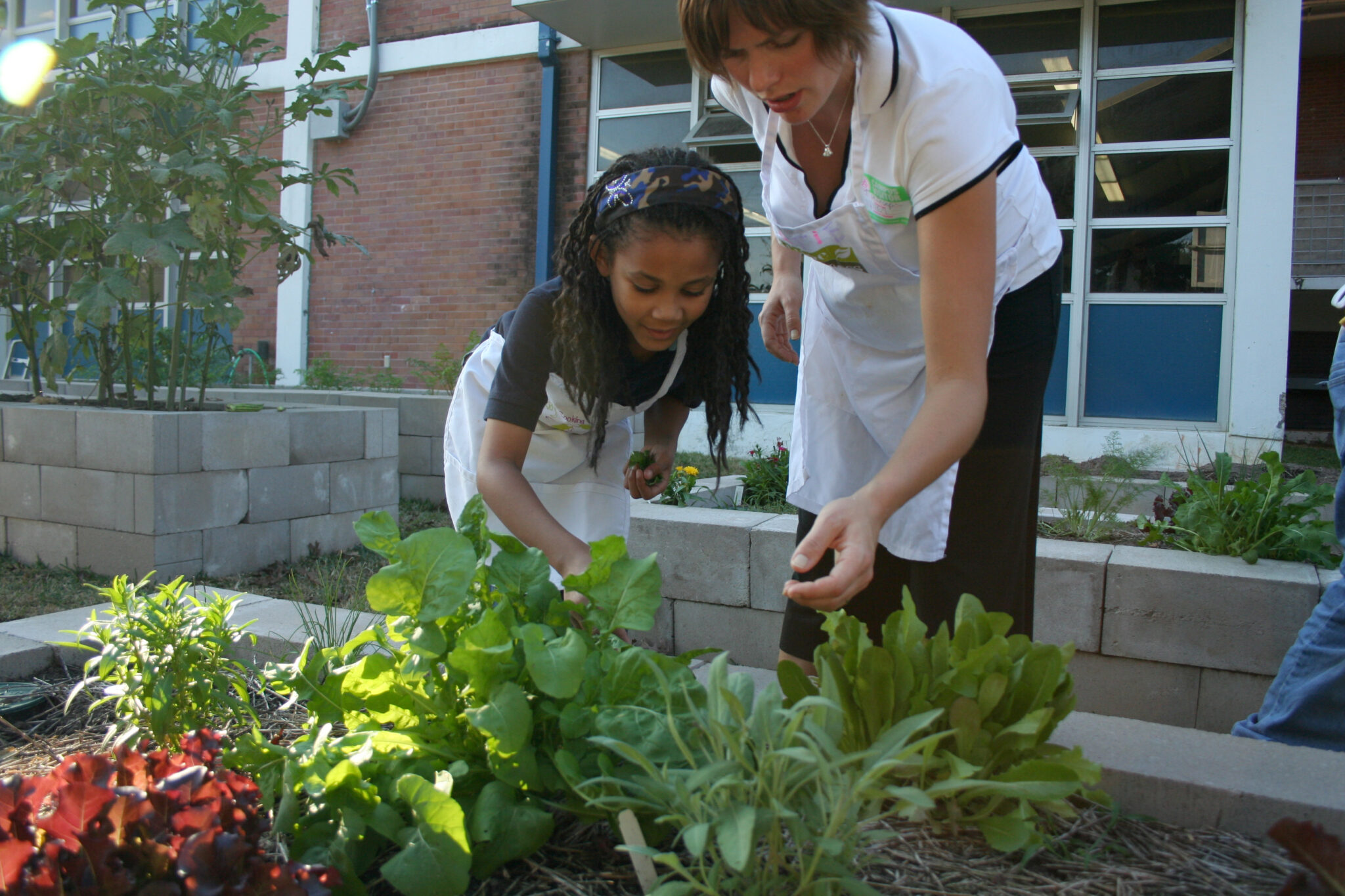
Before planting, show students a seed and a transplant and ask them to compare the two. Which plant already has roots? Which one might reach harvest first? Why might a farmer choose one method instead of the other?
It turns a routine garden task into an opportunity to practice observation, prediction, and agricultural decision-making.
Companion Planting: Creating a Garden Community
As students explore the people, foods, and places connected through Marco Polo Food Adventures, the garden offers another kind of connection to investigate: the relationships between plants.
Companion planting is the practice of intentionally growing certain plants near one another because their characteristics can benefit the garden ecosystem.
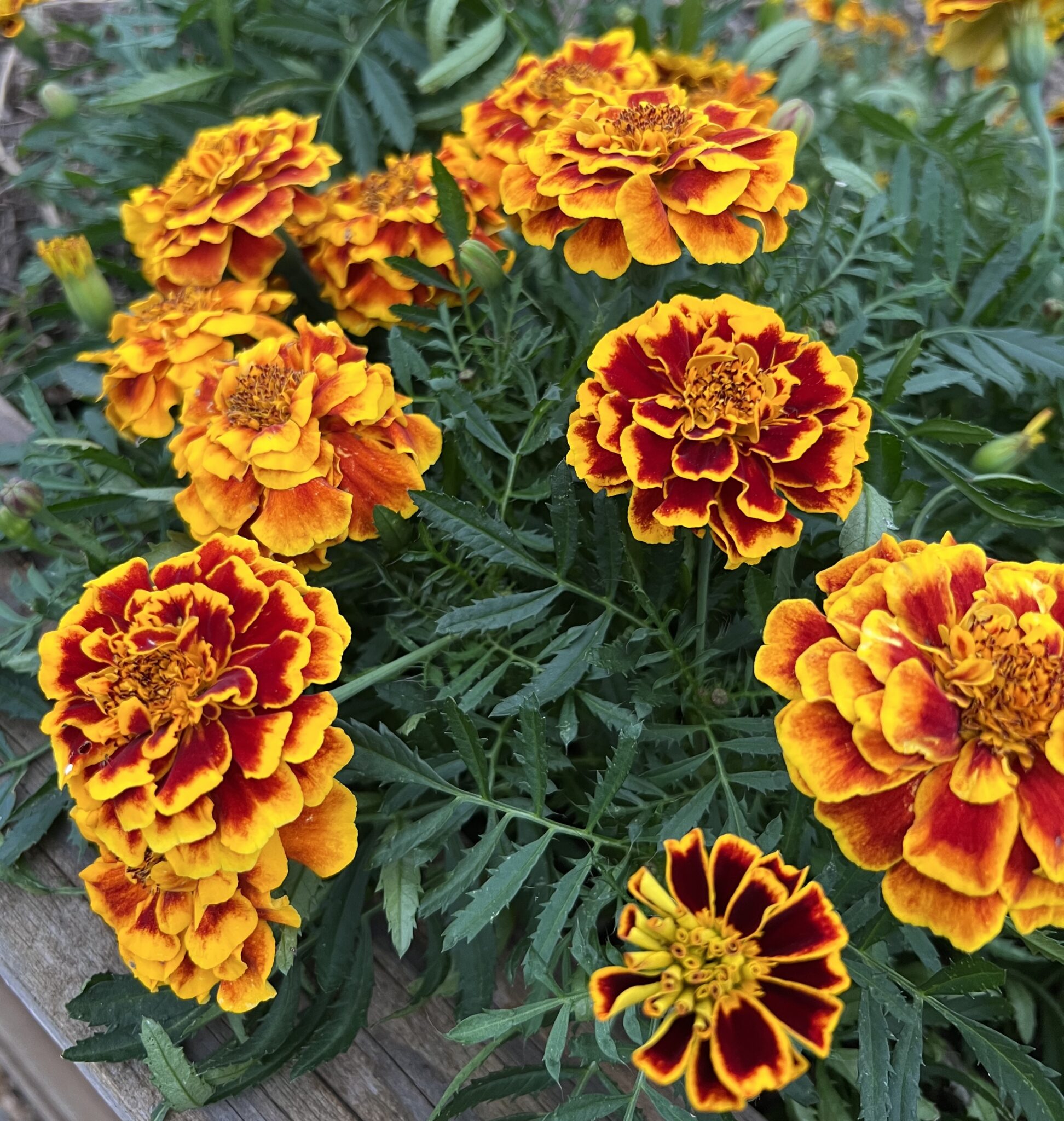
This month, we’re transplanting marigolds alongside our broccoli and Asian greens. Beyond adding color to the garden, marigolds can play a role in an integrated approach to garden pest management and provide flowers that attract insects and other pollinators.
We’re also direct sowing dill. Once it flowers, dill can attract beneficial insects, including hoverflies and parasitoid wasps, whose presence can help support natural pest control in the garden.
This is a wonderful opportunity to remind students that a healthy garden is an ecosystem, not simply a collection of individual plants.
Turn It Into an Investigation
Ask students to observe the marigolds throughout the month. What insects visit them? Do they notice differences between areas with flowering plants and areas without them?
Encourage students to record their observations in a garden journal. They don’t need to know every insect they see. The goal is to notice, question, and investigate.
A Garden Lesson in Planning: Why Isn't Our Broccoli Ready Yet?
Teachers sometimes ask me:
“My students are cooking with broccoli this month, so why are we just now planting it?”
That question leads to one of my favorite lessons in Seed-to-Plate Nutrition Education™.
The garden calendar and the culinary calendar do not always happen at the same time.
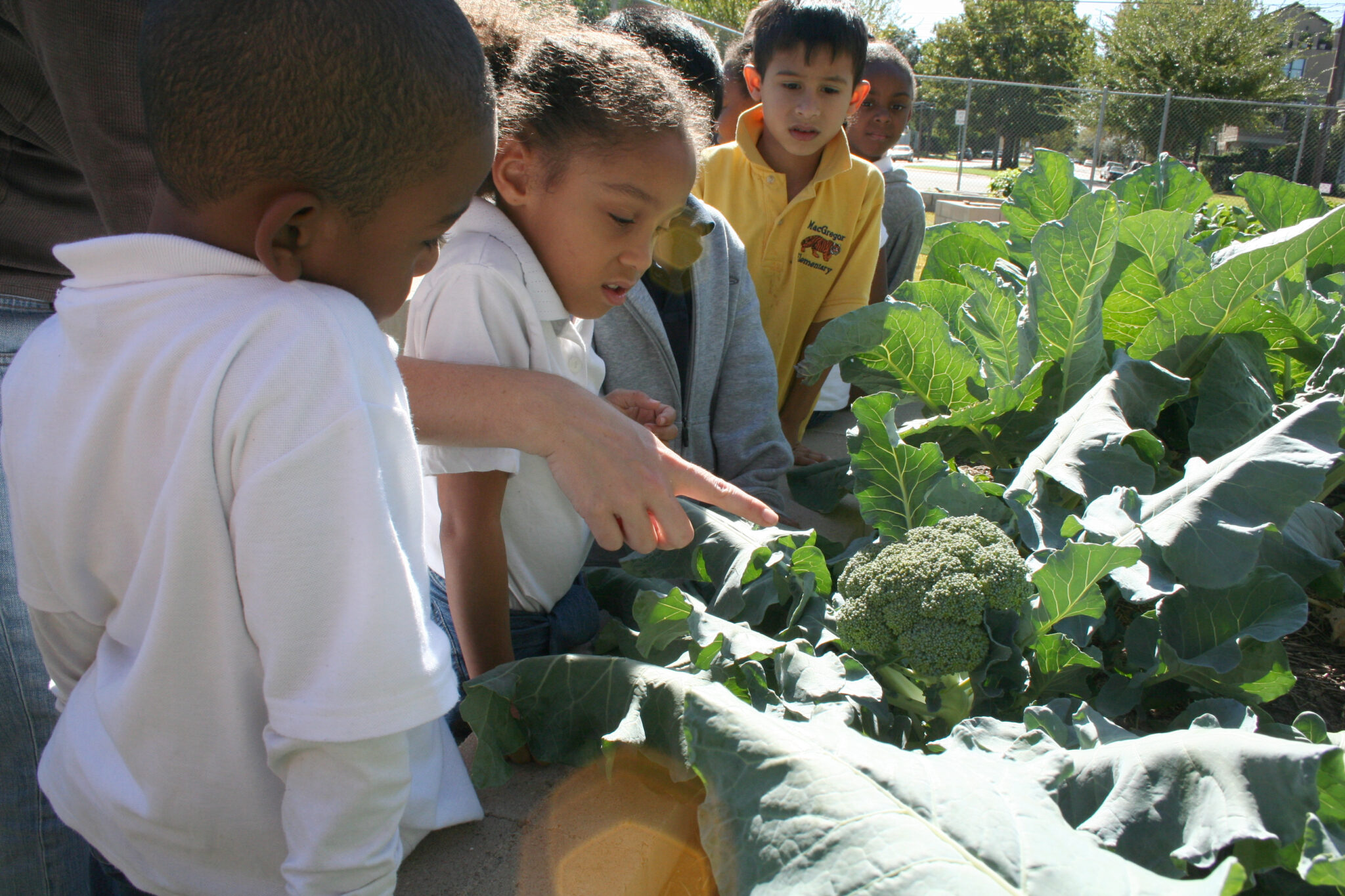
Students may encounter broccoli in the kitchen this month while the broccoli growing in their garden is still young. The plants we’re putting into the ground now need weeks of growth before they are ready to harvest.
And that’s the lesson.
Food doesn’t begin at the grocery store, and it doesn’t appear instantly when we’re ready to cook it. Someone had to choose the crop, plant it, care for it, wait for it, harvest it, and get it to the kitchen.
Ask students:
If we want broccoli in November, what do we have to do in September?
Suddenly, planting a seedling becomes part of a much bigger story.
When students eventually harvest their own broccoli, they can look back and remember when they planted it. They will have experienced firsthand the time, planning, care, and natural processes behind an ingredient they may once have thought of simply as “food.”
That connection is at the heart of Seed-to-Plate Nutrition Education™.
Your September Marco Polo Garden Checklist
☐ Transplant broccoli and Asian greens.
☐ Add marigolds throughout the garden to support biodiversity and your companion-planting lessons.
☐ Start another round of broccoli, Asian greens, and fennel for succession planting.
☐ Direct sow green onions, spinach, cilantro, parsley, dill, and mustard greens.
☐ Have students compare seeds, seedlings, and established plants.
☐ Begin garden journals or add a September observation entry.
☐ Watch flowering plants for visiting insects and pollinators.
☐ Connect this month’s garden work back to the foods, places, and cultures students are exploring through Marco Polo Food Adventures.
Looking Ahead to October
As your marigolds begin blooming, encourage students to pay attention to what else is happening in the garden and overhead.
Fall brings another incredible natural journey through our region: monarch butterfly migration.
Next month, we’ll explore monarchs, flowering plants, milkweed, and the ways a school garden can help students understand the relationship between plants, insects, habitat, and migration.
Until then, happy planting. I’ll see you in the garden!
Ashly Tamayo
Director of Agricultural Education
Recipe for Success Foundation