From the Garden: November Gardening Tips & Classroom Lessons
Turn seasonal changes, fall harvests, and everyday garden discoveries into meaningful learning experiences.
November is one of my favorite months in the garden classroom. After weeks of planting, tending, and waiting, we’re finally seeing the rewards of our fall growing season at Hope Farms.
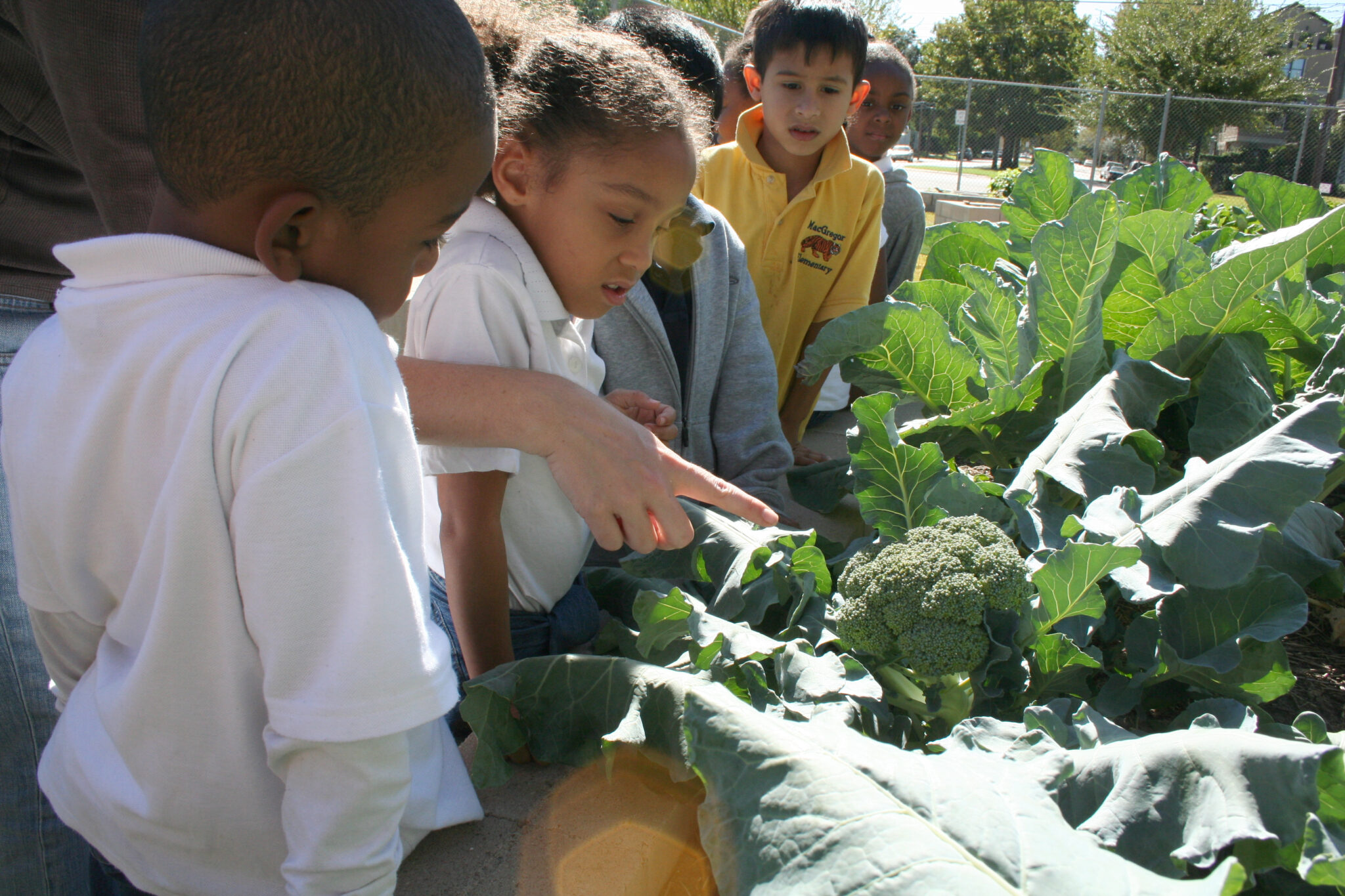
Our first broccoli heads are ready to harvest, kale and spinach are beginning to produce, and a variety of herbs and vegetables are filling our garden beds.
But the real excitement isn’t just what’s growing. It’s everything these seasonal changes can teach our students.
Whether you maintain a school garden, grow a few herbs in your classroom, or simply want to bring more hands-on learning into your lessons, November offers plenty of opportunities to connect students with the natural world.
Lesson 1: Good Things Take Time
Back in September, we transplanted broccoli seedlings into our garden beds. At the time, there wasn’t much to see beyond a few small leaves.
Now, nearly two months later, we’re harvesting our first broccoli heads!
For students, this transformation offers a tangible lesson in patience, responsibility, and the plant life cycle.
Try This With Your Students:
Ask students to create a timeline showing how a vegetable grows from seed to harvest. Have them identify the stages of growth and discuss the resources plants need along the way.
If you have access to a garden, document plant growth with weekly photos or measurements. If not, use photographs, seed packets, or a classroom observation journal to explore the same concepts.
The goal is to help students understand that the food on their plates is the result of time, care, and natural processes.
Lesson 2: Why Farmers Don't Plant Everything at Once
At Hope Farms, November is a busy month for succession planting.
We’re transplanting kale, broccoli, Asian greens, and fennel seedlings that were started indoors last month. Meanwhile, we’re starting another round of leeks, kale, fennel, and Asian greens indoors.
Why not plant everything at once?
Because staggered planting helps provide a more consistent harvest throughout the season.
It’s a simple agricultural practice with valuable connections to planning, problem-solving, and mathematics.
Try This With Your Students:
Challenge students to imagine they’re responsible for growing vegetables for their school cafeteria.
Would they plant 100 lettuce plants on the same day or spread their planting dates over several weeks?
Have students create a planting calendar and explain how their decisions could affect the availability of fresh produce.
This activity encourages critical thinking while introducing the relationship between agriculture and our food supply.
Lesson 3: A Healthy Garden Is a Team Effort
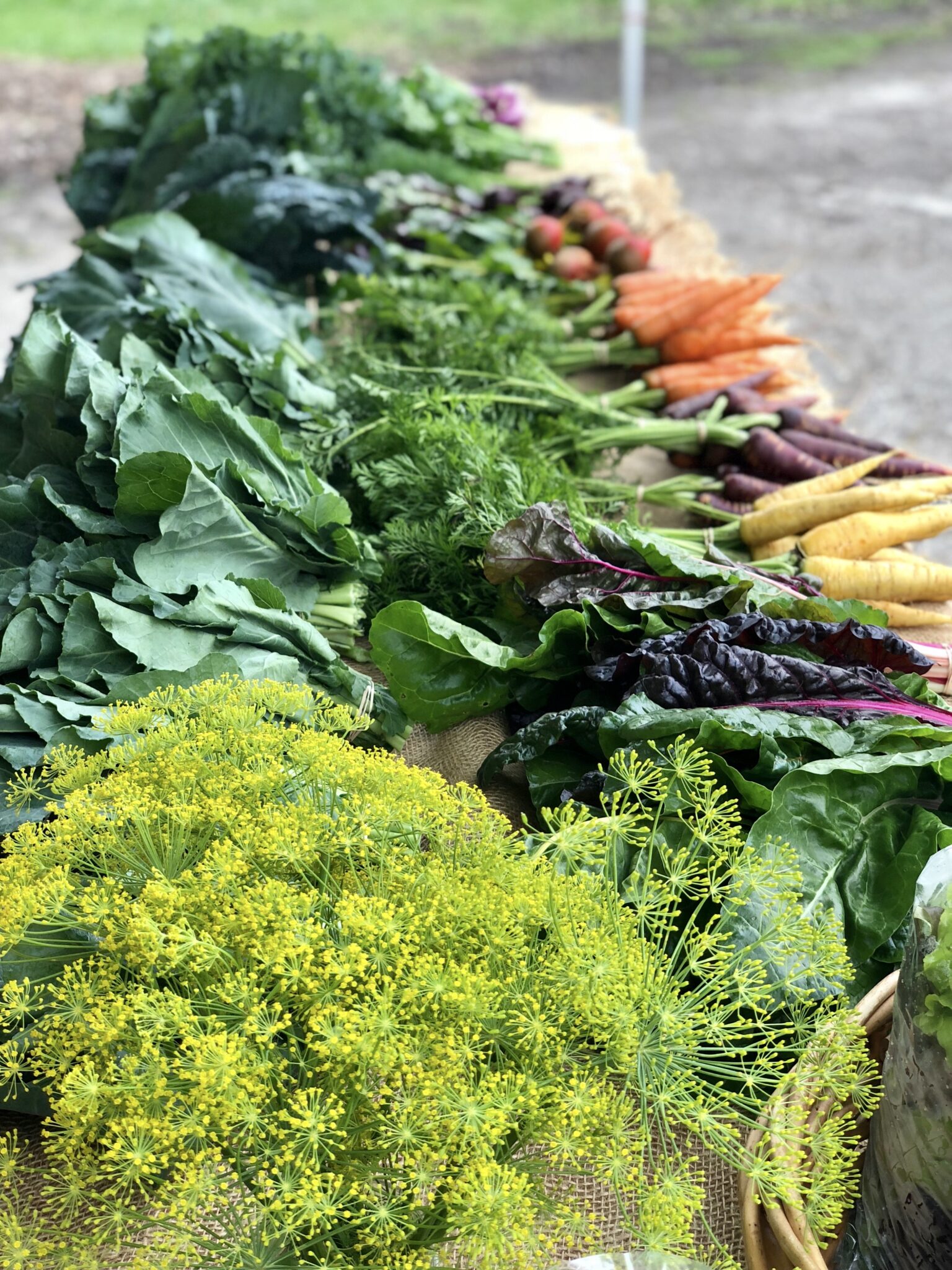
This month, we’re continuing to sow green onions, spinach, carrots, parsley, cilantro, dill, and mustard greens directly into our garden beds.
We’re also transplanting marigolds alongside our fall vegetables.
Why flowers in a vegetable garden?
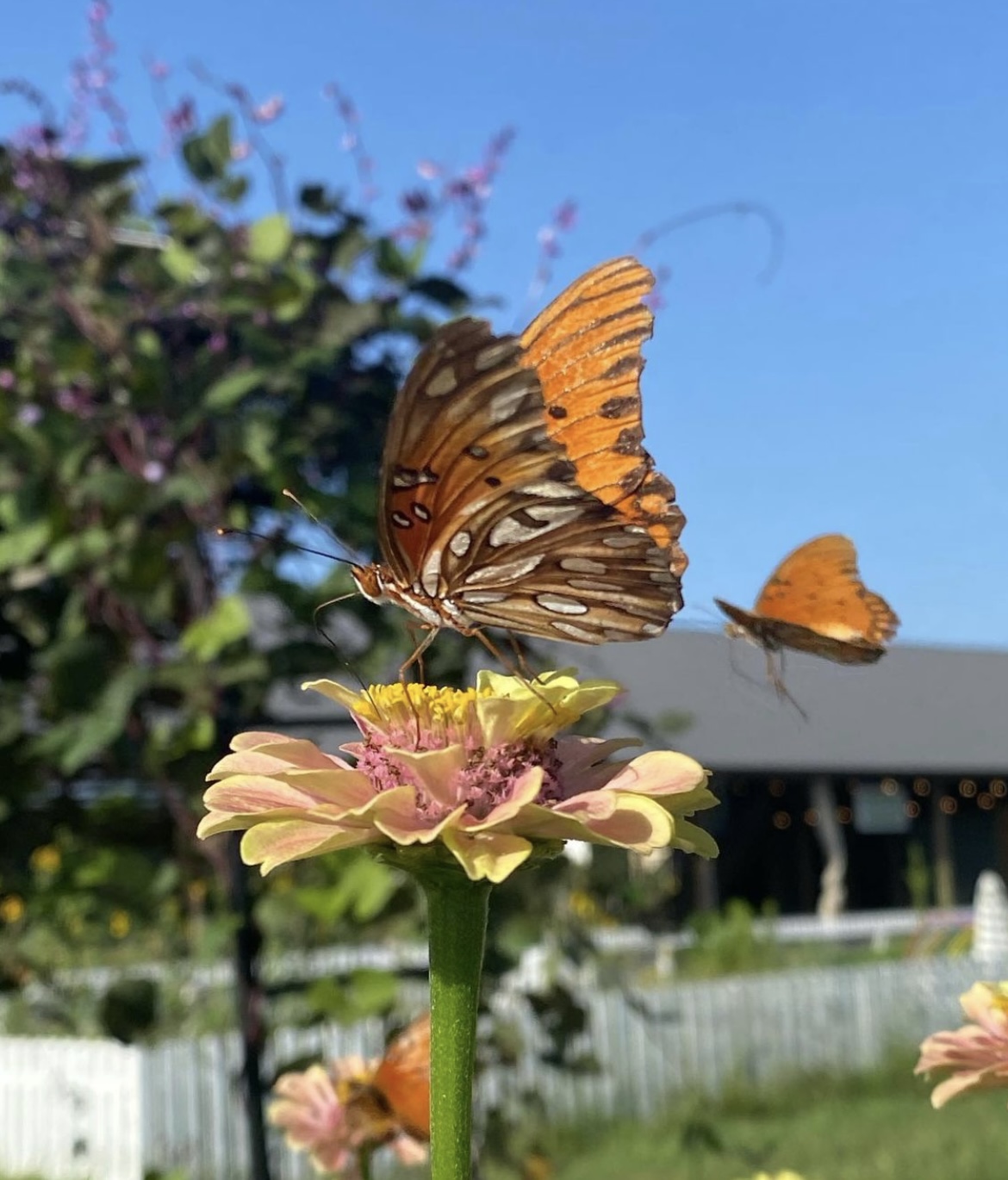
Flowers such as marigolds can attract pollinators and other beneficial insects, contributing to a more diverse garden ecosystem.
This creates a natural opportunity to introduce students to biodiversity and the relationships between living things.
Try This With Your Students:
Take students outside for a mini biodiversity investigation. Ask them to observe the plants, insects, birds, and other organisms they encounter.
Have them consider:
-
What living things share this environment?
-
How might insects help or harm plants?
-
Why is biodiversity important for a healthy ecosystem?
Even a school courtyard or small patch of green space can become an outdoor science classroom.
Lesson 4: Harvesting Doesn't Always Mean Starting Over

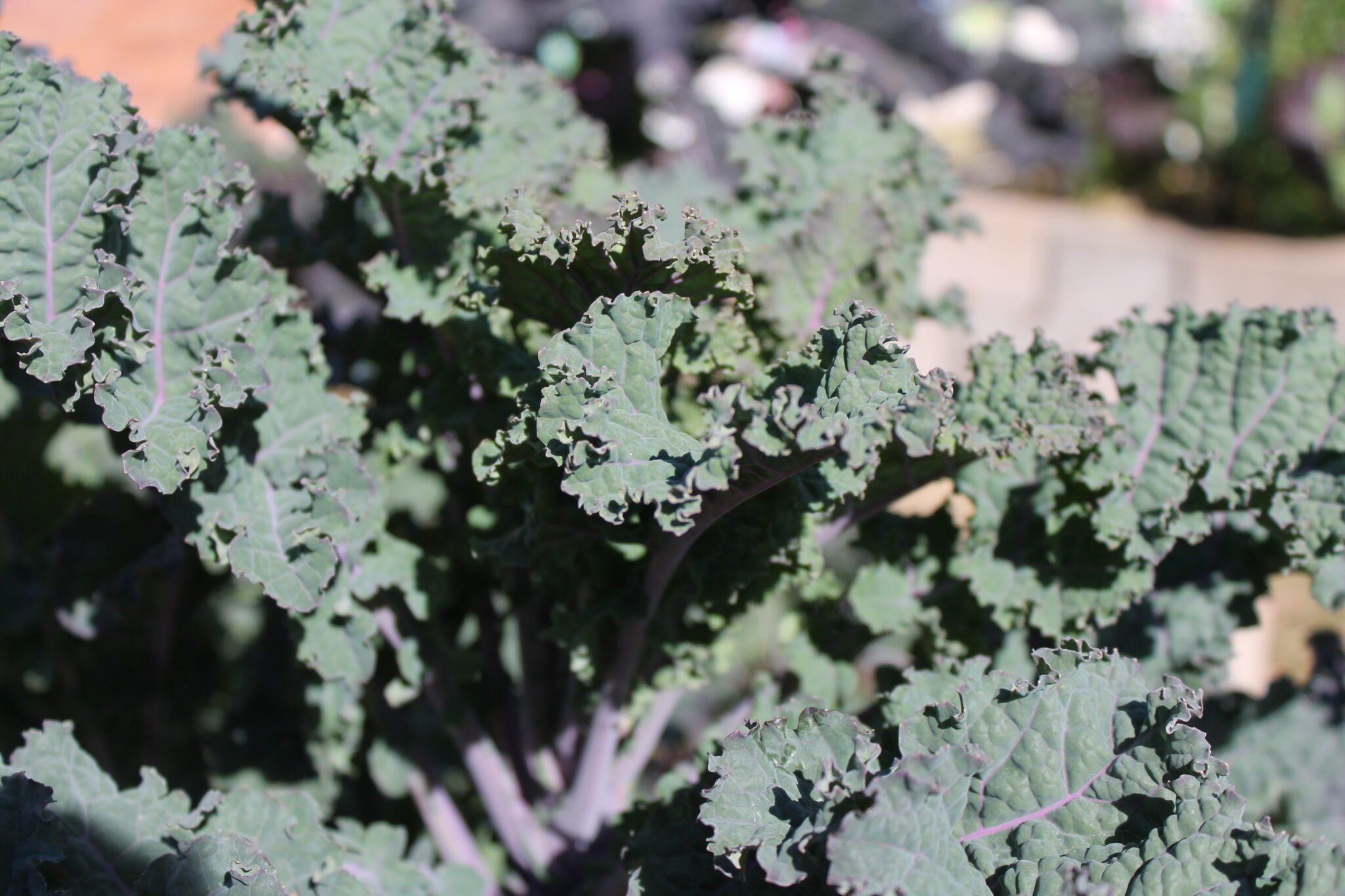
November brings the beginning of our kale and spinach harvests, along with our first broccoli heads of the season.
One of the most interesting things students can learn is that different vegetables require different harvesting techniques.
With crops like kale and spinach, gardeners can often pick mature outer leaves while leaving the rest of the plant to continue growing.
Other vegetables, like broccoli, are harvested when their heads are ready.
Try This With Your Students:
Compare different types of vegetables and the plant parts we eat.
Do we eat the leaves, roots, stems, flowers, fruits, or seeds?
Challenge students to sort familiar foods into categories. Broccoli is a particularly fun example because the part we typically eat is made up of immature flower buds and their supporting stalks!
It’s an easy way to connect plant science with foods students recognize.
Lesson 5: The Weather Is Part of the Classroom
November can bring Houston’s first significant cold snaps, making weather monitoring an important part of our gardening routine.
Many cool-season crops tolerate chilly temperatures, but a hard freeze may require gardeners to protect young plants or adjust their harvest plans.
This is a wonderful opportunity to connect weather, climate, and plant growth.
Try This With Your Students:
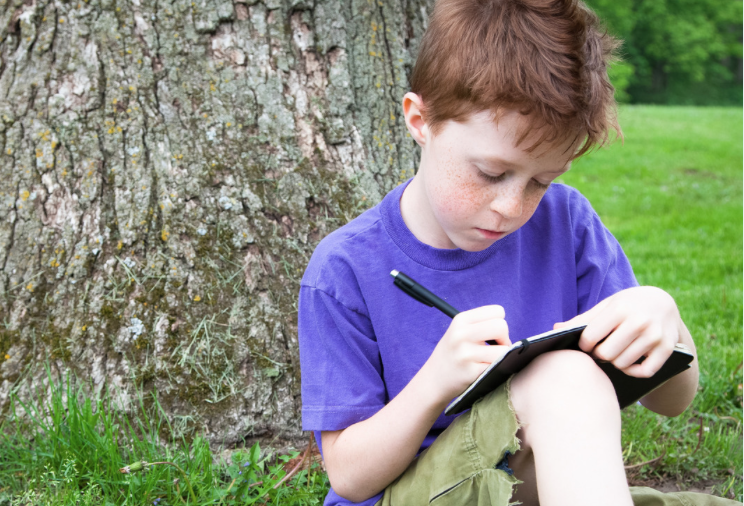
Start a classroom weather journal. Track daily temperatures, rainfall, and changing conditions over a week or two.
Ask students to predict how those conditions might affect plants growing outdoors.
For older students, extend the lesson by comparing Houston’s fall weather with another region of the country and exploring how climate influences the crops farmers grow.
What's Growing at Hope Farms This November?
Our November garden is full of cool-season vegetables and flavorful herbs.
Beginning Harvests: Broccoli, kale, and spinach.
Additional Harvests: Green onions, fennel, Asian greens, parsley, cilantro, dill, and mint.
Seeds Going Into the Ground: Green onions, spinach, carrots, parsley, cilantro, dill, and mustard greens.
Seedlings Being Transplanted: Kale, broccoli, Asian greens, fennel, and marigolds.
Each crop offers another opportunity to introduce students to unfamiliar vegetables, explore new flavors, and develop a deeper appreciation for where their food comes from.
Growing Curiosity One Lesson at a Time
You don’t need acres of farmland to make meaningful connections between gardening and education.
A seed germinating in a classroom window, a conversation about seasonal vegetables, or a simple observation of insects outdoors can spark curiosity and encourage students to think differently about food.
At Recipe for Success Foundation, we believe these everyday discoveries are essential to helping children understand, appreciate, and enjoy healthy food.
Through our Seed-to-Plate Nutrition Education™ program, we help educators bring hands-on gardening, cooking, and nutrition experiences into the learning environment, connecting academic concepts with real-world skills.
As November unfolds, I encourage you to look for small ways to bring the garden into your classroom. You might be surprised by just how much can grow from a single lesson.
Happy planting, and I’ll see you in the garden!
— Ashly Tamayo, Director of Education & Agriculture, Recipe for Success Foundation
Interested in bringing garden-based nutrition education to your school?
Discover how Seed-to-Plate Nutrition Education™ equips educators with the tools and resources to help students build lifelong healthy eating habits.